Home Resolution Design Logo A white variation of the Resolution Design Logo All-black version of Resolution Design Logo.

Resolution

  • About
    Back
    • Team
    • Careers
    • Our process
    Welcome to Resolution Design
  • Services
    Back
    • Branding
    • Websites
    • Digital marketing
    • Graphic Design
    • Web Applications
    • Hosting & support
    • Marketing consultancy
  • Work
  • Insights
  • Project request
    Contact
  • Talking wellbeing with Rowena Dymond

    13.05.24

    Talking wellbeing with Rowena Dymond

    by Emma Heart

    3 minute read

    An ipad lies on a nature patterned bedspead. The ipad has text that reads 'Mental Health Matters'

    This May marks Mental Health Awareness Week, a nationwide initiative to raise awareness, drive conversations and increase public understanding about issues regarding mental health.

    Join us as we chat with our mental health and wellbeing champion, Rowena Dymond, who shares her valuable tips and insights on how we can all do our part in prioritising our mental health in the workplace.

    How do you support the agency with mental health?

    As a small business, we have implemented new processes to ensure we offer comprehensive support to the team. I have helped develop this new approach to create a supportive and understanding culture across the organisation.

    Last year we introduced a 4.5 working day week to encourage a healthy work-life balance and we also work remotely on Monday and Friday. These introductions have helped boost productivity and retain talent.

    What steps does the agency take to improve wellbeing?

    Aside from flexible working, we have regular check-ins and performance reviews to provide feedback, guidance, and support to employees. We encourage an open dialogue about goals, challenges, and areas for improvement. Where we only used to have an annual appraisal for staff, we have now introduced a review every three months with a strong focus on mental health and wellbeing.

    We’ve developed a supportive and inclusive workplace culture where employees feel valued, respected, and encouraged. We also have fun as a team with regular socials, including a team lunch in the diary once a month where we can escape the studio and get to know each other personally and socially. Hopefully, as the sun starts to appear, we will begin holding a few outings to the pub after work to switch off from talking shop completely.

    What do you like most about your wellbeing role?

    One of the aspects I enjoy most is the opportunity to make a positive impact on our team’s happiness, ensuring everyone feels listened to and supported. It is rewarding to know that we have an empathic approach so our team can lean into it whenever they might be experiencing mental health challenges. Whether it’s providing resources, lending a sympathetic ear, or advocating for better internal processes and support systems, knowing that I can make a difference in someone’s well-being is fulfilling.

    What does Mental Health Awareness Week mean to you?

    Mental Health Awareness Week encourages individuals to prioritise their mental well-being and ask for help when needed. It reminds us that seeking support is a sign of strength, not weakness and that there are resources and services available to assist those struggling with mental health challenges. At Resolution, we frequently remind the team that doors are always open if someone needs anything.

    Personally, Mental Health Awareness Week serves as a reminder to reflect on my own mental well-being and practice self-care. It’s an opportunity to check in with myself, evaluate my stress levels, and engage in activities that promote mental wellness, such as mindfulness, exercise, and doing things that bring me joy!


    previous Post

    Mastering the skill of great networking 

    next Post

    Tips on moving towards net zero

    let's get the ball rolling

    Get in touch
  • Mastering the skill of great networking 

    10.04.24

    Mastering the skill of great networking 

    by Emma Heart

    3 minute read

    Networking Breakfast

    It’s early morning on a wet day, and I’ve just parked up at one of the networking events we attend across the month. This one begins before the work day with a structured yet informal session of the traditional ‘meet and greet.’

    Attendees chat over coffee and breakfast before taking a seat to listen to the guest speaker or panel discussion. It lasts until roughly 9ish when we all part, exchanging business cards (or LinkedIn profiles) and head off to work.

    Welcome to your typical networking event. 

    Lately, networking events have become essential for success in today’s interconnected world, whether looking to grow your business or simply expand your horizons. They provide a platform for knowledge sharing, building strong relationships and establishing a support system of like-minded professionals who can offer advice, encouragement, and feedback. This can be invaluable, especially during challenging times or when facing important decisions.

    But they are not a one-size-fits-all and navigating your way through the networking noise may be a case of trial and error before you land on one that’s right for your business. We attend numerous events across the region, and they are all unique offering different expertise and experiences.

    Read on for our hints and tips on what you need to consider when choosing the best networking event. It’s important you have a clear set of objectives before signing up, as attending the wrong one could be a waste of time and budget.

    1. Virtual or in-person – COVID obliged us to engage in online networking meetings where meeting over a screen from the comfort of our homes became acceptable. Whilst many of us rejoiced to be back in the face-to-face environments, as a small business owner having the opportunity to connect with others without leaving the house makes a virtual option more financially viable and less time-consuming.
    2. Industry relevance – Look for events that are tailored to your industry or field of interest. These events will attract professionals who are relevant to your business objectives, increasing the likelihood of purposeful connections and ROI factors.
    3. Size and scale – Consider the size and scale of the event. Larger events may offer a wider range of networking opportunities and attract a far-reaching pool of attendees. The Business Exchange and Growth Hub are known for their significant events across Bath, Wiltshire and the surrounding areas, reaching a host of businesses across various industries. However, smaller events may provide a more intimate setting for meaningful interactions.
    4. Location and time are key – Take into account the location and time of the networking event. Is it conveniently located for you to attend? Is it at a time that does not disrupt your working day? Will there be opportunities to network with professionals from your local area? Resolution has recently opened its doors in Bath, and we are regularly attending networking events in the city to meet new business connections, share experiences and expand our network.
    5. Reputation and review – Research the events you want to attend and read reviews from past attendees. Look for events with positive feedback and a track record of delivering value to participants. Take the time to research and identify events that align with your goals, and be proactive in making meaningful connections while attending.

    Lastly, it is important to note that it isn’t always about who is ‘in the room’ at that specific time, but who your new contacts could introduce or recommend your services to in the future.

    Good luck – and don’t forget to have your LinkedIn profile up to date, as it’s often used for connecting with professionals before and after networking events.

    previous Post

    Our Wiltshire business marketing survey says…

    next Post

    Talking wellbeing with Rowena Dymond

    let's get the ball rolling

    get in touch
  • Our Wiltshire business marketing survey says…

    07.03.24

    Our Wiltshire business marketing survey says…

    by Emma Heart

    4 minute read

    Resolution Design Studio

    Cast your minds back to late last year when we launched an anonymous survey to small and medium-sized businesses in Wiltshire and the surrounding areas. Our purpose was to understand how local firms market themselves, picking up some fascinating insights along the way.

    Well, the results are in and you may have seen that we’ve already been publishing some teasing data across social media and in our newsletters. However, you’ll want to get your hands on the juicy stuff.

    Read on for more information on how many businesses are dedicating time, budget and resources to their marketing strategy, and how many are not prioritising marketing.

    What did we find out?

    Over 60% of the businesses surveyed do not create a marketing plan. As a small business, it’s hard to find time to create a marketing plan but it is important for the success of your business. Need more awareness, enquiries and credibility? That’s where a good plan comes in.

    Also, over 60% of respondents do not regularly set a marketing budget, which ties in with no marketing plan. Assigning a budget to marketing can help with the planning stage, coordinating activities and measuring success later when you are analysing the results.

    What about the businesses that did spend?

    Generally, most businesses spend between 2% and 15% of their revenue on marketing, depending on a range of factors including sector, product or service and growth targets.

    Our results show that 40% of respondents are outside this range, spending less than 2% of revenue. These are likely to be smaller businesses operating in existing networks and with word of mouth. It’s possible that the owner’s time is not factored into these figures, attending networking events or investing in social media profiles for example.

    Let’s talk about the websites

    It may sound obvious, but businesses need an excellent website to act as the hub for marketing activity. It’s worth investing time, effort and budget to continue to keep it running well.

    Almost all respondents had a website. In our experience, businesses update their websites on average every 4-5 years to ensure they are credible and market-leading. This survey shows that 70% of the websites were less than five years old, with 30% over five years old.

    The big question – in-house or outsource?

    Smaller businesses are often weighing up the pros and cons of whether to hire an in-house marketing manager or to retain an agency. In our survey, over 60% of firms did not have any in-house marketing. This is most likely because smaller companies cannot justify this cost, and need more marketing work for a full-time or part-time marketing manager.

    We also noted that over 60% did not use a marketing agency either. Potentially because they do not have the requirement just yet, and/or are not aware that some agencies work with smaller firms, and/or they are too expensive for this stage in the business.

    The high performers

    No surprise that when asked about digital marketing activity, social media and email marketing came out on top. Easy to implement, manoeuvre and monitor, they play a key role in a marketing strategy. Twitter, Facebook and LinkedIn were the most popular platforms for the businesses surveyed. Are your customers also using these channels? It’s worth doing a recce to check. SEO and PPC came in at slightly less popular and we would always encourage to use specialists for this type of activity.

    What is interesting to note is that less than 40% are investing in content marketing (blogs etc). Publishing blogs on your website can be essential in carving out your brand identity and promoting your business and its spokespeople as experts in the field.

    Is traditional marketing still in vogue?

    Face-to-face networking has come back strongly after lockdown with 90% stating it was part of the regular activity. 50% of businesses surveyed told us that they attended exhibitions, however when we asked what the split was between traditional and digital marketing, most were digitally biased.

    What does the future have in store for newspaper advertising and direct mail campaigns as these were the least popular with the survey? Perhaps we should mention another clear winner which was the CRM system. Over 80% disclosed using one, reconfirming them as vital business tools. 

    Find the full survey results here. Did you spot something in the survey that was helpful to your business? We’d love to know your thoughts.

    previous Post

    Battle of the brands

    next Post

    Mastering the skill of great networking 

    let's get the ball rolling

    Get in touch
  • Battle of the brands

    07.02.24

    Battle of the brands

    by Becca

    3 minute read

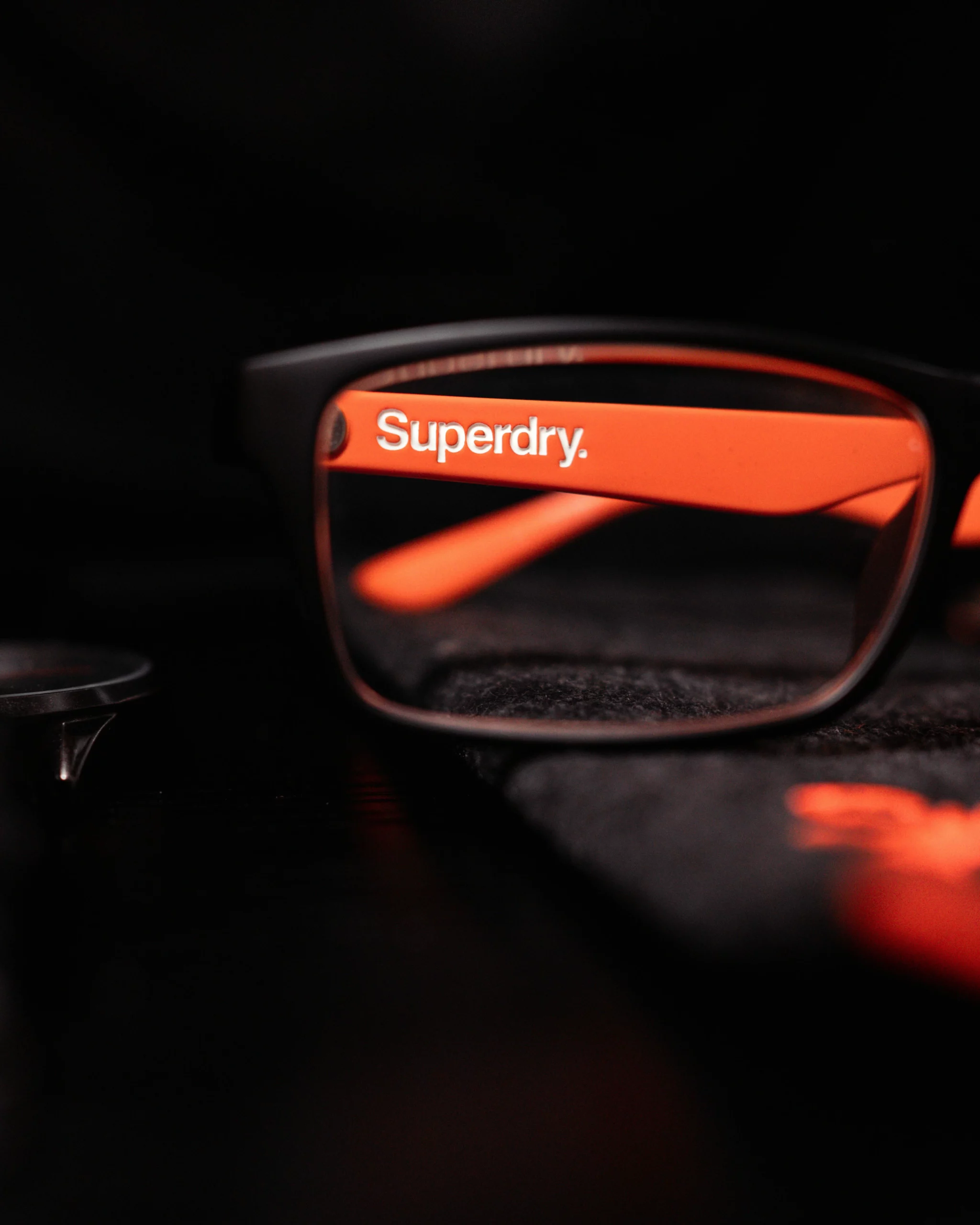
    Superdry sunglasses

    In the ever-changing business world, branding has never been more significant than it will be in 2024. Brands are not just labels. They are powerful entities that convey a unique identity and build a connection with consumers. However, recent legal battles have highlighted the complexities and challenges brands face in maintaining their distinctiveness.

    As consumers become increasingly discerning, strong, recognisable brands are paramount. A brand is more than just a logo or a product. It represents a promise and a set of values that sets it apart from the competition. Brands influence consumer choices, foster loyalty and shape cultural narratives.

    Superdry vs Manchester City: A battle of logos and identities

    One of the most intriguing recent legal battles involves Superdry, the popular clothing brand based in Cheltenham, and Manchester City, one of the Premier League’s most prestigious football clubs. Superdry alleges that Manchester City’s new merchandise line bears a striking resemblance to its own iconic logo and design elements.

    This case highlights the challenges brands face in protecting their intellectual property and maintaining a distinct visual identity in a world saturated with logos and symbols.

    Superdry argues that Manchester City’s use of similar design elements could create confusion among consumers, potentially diluting the unique brand image that Superdry has worked hard to cultivate since 2003. The case underscores the importance of vigilance in protecting intellectual property rights and the potential financial implications for brands found guilty of infringement.

    Chanel and WGACA: The clash over vintage luxury

    On another front, the luxury fashion powerhouse, Chanel finds itself in a legal dispute with What Goes Around Comes Around (WGACA), a high-end vintage reseller. Chanel alleges that WGACA’s sale of pre-owned and vintage Chanel items without proper authorisation infringes upon its trademark rights and tarnishes the brand’s prestigious image.

    This case raised valid questions about the growing market for second-hand luxury goods and the challenges brands face in controlling the narrative around their products, even after they are sold. Gucci and Burberry have embraced the second-hand luxury market, stating it opens the opportunity to grow a wider market. The outcome of this legal battle could set a precedent for how luxury brands approach the resale market and protect their image from potential dilution.

    Investing in a strong brand is not just about creating a visual identity, it’s about shaping perceptions, fostering trust and leaving a lasting impression. Brands want to retain their distinctiveness to stand out in a very crowded market. They also want to establish consumer recognition and build loyalty that sets them apart from the crowd.

    A distinctive brand enhances memorability and contributes to long term success and overall brand longevity. Chanel is still as popular in 2024 as it was over 100 years ago, this wouldn’t have been possible without protecting their core identity.

    The role of social media in branding and legal disputes

    In recent years, social media has also played an essential role in shaping brand perceptions and, ironically, in exacerbating ongoing legal conflicts. The rapid dissemination of information and options can magnify the impact of disputes, making it crucial for brands to manage their online presence and address issues swiftly to mitigate potential damage.

    At Resolution, we understand the pivotal role branding plays in defining your business and connecting with your audience.

    Let us help you craft a brand that stands out and ensures your success in a competitive digital landscape.

    previous Post

    Our recent work with Woods Valldata

    next Post

    Our Wiltshire business marketing survey says…

    let's get the ball rolling

    Get in touch
  • Our recent work with Woods Valldata

    17.01.24

    Our recent work with Woods Valldata

    by Emma Heart

    1 minute read

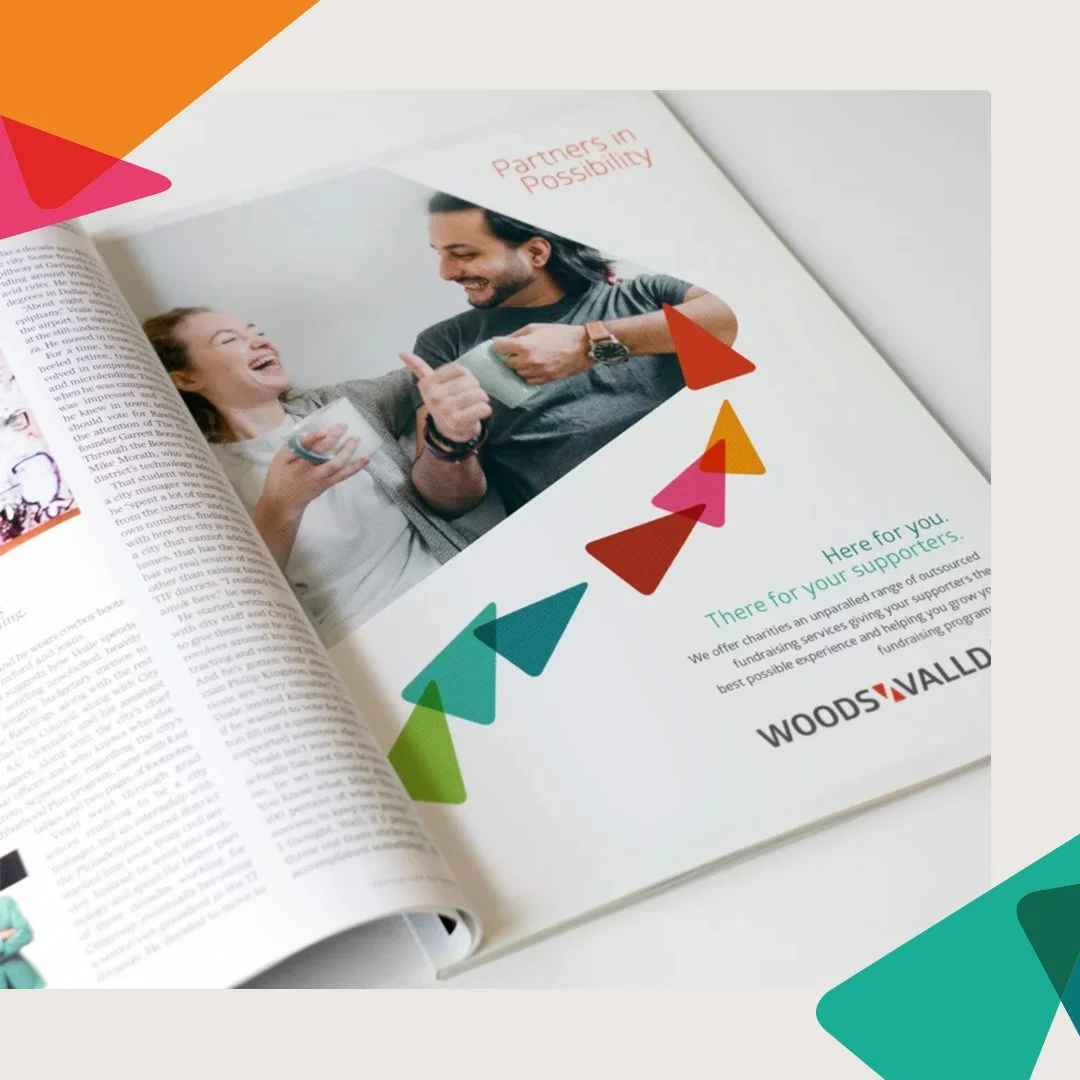
    Woods Valldata brochure

    2024 will mark a decade-long working relationship with charity fundraiser provider Woods Valldata.

    We’ve delivered numerous projects large and small for the Wiltshire-based business including its main website in 2015, brand development and guidelines in 2022, and most recently the creation of office interior graphics and its new website.

    What did we do?

    We refreshed the website to improve the customer journey and developed a corporate identity harmonising with the business’s position and core values.

    We continue to manage ongoing digital marketing activity, including Google ads, digital reports and print materials, as Woods Valldata aims to keep most of its marketing under one roof.

    What did the client say?

    “The process of working with Resolution Design on the brand was enjoyable. They quickly created a comprehensive brand which we have applied across multiple media. 

    Resolution also helped us create our new website and they pulled out all the stops to ensure the site was up and running within our tight deadlines. I consider Resolution an extension of our company – providing design services that we cannot deliver in-house and working with us collaboratively to deliver our aspirations.” 
    Helen Halahan, Marketing & PR Manager

    Woods Valldata partners with over 100 charities including Age UK, Battersea Dogs & Cats Home and St. John’s Ambulance, helping them raise funds by ensuring their supporter experience is the very best it can be across services such as weekly lottery, response handling and direct debit management.

    In 2022/23, it processed £175 million in payments and banked £36 million of prize-led income.

    View the full case study on our website now, and get in touch if you are looking for a marketing agency that can help transform your business marketing.

    previous Post

    Can you be credible using an email without a business domain?

    next Post

    Battle of the brands

    let's get the ball rolling

    Get in touch
  • Can you be credible using an email without a business domain?

    19.12.23

    Can you be credible using an email without a business domain?

    by Richard

    2 minute read

    coffee and phone

    If you have a small business you may be using, or have used, a modified personal email as your business email. For example, the business ‘Top taps’ may use [email protected] or [email protected]. Businesses that do this are almost always businesses without a website, a website being the primary reason for having a domain name.

    Buying a domain name for just your email

    Not having a business email will not doom your business to failure, but it’s not a positive signal to your customers. To be credible your business needs a suitable domain name and at least one professional email. The good news is that obtaining a domain name and business email is simple and inexpensive. As part of our hosting here at Resolution, we can provide a domain name and professional emails as part of our managed service for as little as £44 a year. If you’re happy to manage the process yourself you can go to a domain and hosting company and they will give you the ability to purchase both for potentially a little less.

    Do you need a website too?

    The vast majority of businesses have websites these days, but some small businesses still don’t, limiting their online activity to social media like Facebook and business directories. This is quite common in the building trade, where sites like checkatrade.com, trustatrader.com, mybuilder.com and myjobquote.co.uk are very influential and can provide regular enquiries.

    If you don’t have a website and you’re wondering if you should, consider what a potential client may think if they can’t find a website for you, but they can for the competitor they were also thinking of using. Again, credibility is key.

    If you’re looking for an inexpensive starter website several companies specialise in self-build solutions, for example; Wix, Ionos, Go Daddy, and Squarespace. If your time is precious and you’d like professional help, including bespoke design and build, then we’d love to hear from you.

    previous Post

    The importance of Cyber Essentials Certification

    next Post

    Our recent work with Woods Valldata

    let's get the ball rolling

    Get in touch
  • The importance of Cyber Essentials Certification

    13.12.23

    The importance of Cyber Essentials Certification

    by Matt

    2 minute read

    Working at a laptop

    For Resolution Design, we felt obtaining Cyber Essentials Certification was an important step in minimising modern threats. The Certification offers a mechanism to proactively guard against malicious cyber attacks and highlights many areas of potential risk.

    Cyber Essentials is a government-backed scheme that will help you protect your organisation against a range of the most common cyber attacks.  Being more cyber-aware is important to businesses of all shapes and sizes to keep their security level up-to-date from rising cyber threats.

    There are 2 levels; Cyber Essentials certification is the starting point to cyber readiness, and the next level is Cyber Essentials Plus – which requires hands-on technical verification to be carried out.

    So, what’s involved? We started by completing the Cyber Essentials readiness toolkit.  This allows you to complete the questions for the certification and provides you with a personalised action plan based on your responses.  This was very useful to highlight any procedures or tasks that needed to be implemented before committing to proceed with the application and ensure you have everything in place to meet the requirements.

    For Resolution, having obtained the Certification, we can now demonstrate our commitment to cyber security and reduce the risks of a data breach, ensuring we have all the measures in place to protect our devices, systems and the data that we use. It also indicates how we take a proactive stance against cyber threats, helps build on the trust we have with our existing clients, as well as demonstrates our commitment to cyber security for potential new clients.

    Have you gone through a similar process, or maybe this has given you ‘food for thought’ about applying Cyber Essentials to your business?  You can find out more about the certification on The Government National Cyber Security Centre website at https://www.ncsc.gov.uk/cyberessentials/overview

    previous Post

    How to deal with negative feedback on social media

    next Post

    Can you be credible using an email without a business domain?

    let's get the ball rolling

    Get in touch
  • How to deal with negative feedback on social media

    11.11.23

    How to deal with negative feedback on social media

    by Emma Heart

    3 minute read

    Typing on a laptop keyboard

    You will have seen the controversy from M&S last week when the retailer posted a sneak peek of its Christmas advert online. Following the crisis, we were asked by a client who has a small business, how to deal with negative feedback on social media channels overall.

    We gave it some thought, and in a time where consumers are inundated with marketing requests for feedback through emails, surveys or social media, brands are opening themselves up to constructive criticism more than ever.

    Facing the music

    Having someone say something harsh about your business or service, however, can be a bitter pill to swallow. No one wants to read or hear about a customer’s bad experience, and it’s even worse if that experience is online for the whole world to see.

    The good news is that it can be salvaged, and it’s all about how you react and act to that feedback. Believe it or not, but a bad review can be turned on its head and allow you to learn from your mistakes and improve your customer service.

    Read on to find out what to do when you receive a bad review and why having a plan for when things go wrong is vital for your business.

    Silence is not golden

    When a bad review or complaint comes through, it may be tempting to do nothing, delete or ignore it, hoping it will go away. This is not a good idea. We suggest responding promptly and encouraging the customer to take the situation offline to resolve.

    Acknowledge the feedback is received and that it has been passed on to the relevant team member to provide a solution. You need to confidently give certainty in your communication even if you do not have the right outcome at this stage. Not hiding away suggests you understand your customer and will respond appropriately.

    Perfect the process

    You know the saying fail to plan, then plan to fail, and this rings true during a crisis – yes bad customer feedback can be labelled a crisis, especially if you are a small business. Therefore, always having a process to follow when a crisis happens can help minimise potential damage to your reputation.

    What this process would look like will depend on the nature of your business and industry, but here are the fundamental elements you should include.

    Identify a key spokesperson – this should be a senior stakeholder, possibly the founder, CEO or equivalent. There needs to be reassurance that the matter is taken seriously, and if you provide an authoritative leader, this will assure the customer that they are important. This human connection also amplifies your brand and shows you care.

    Update all stakeholders and employees – ensure that staff can access the information they need. If the review or complaint captures the attention of the public or press then it may lead to further enquiries. Make sure that there are clear contact details of who is dealing with the process internally. This would usually be your marketing department if you have one.

    Be clear, concise and conscious – keep the messaging focused and address the topic face on. It’s always worth noting that social media posts can be sharable and go viral in just a few clicks. You don’t want the added stress of being known as an example of how not to do something.

    Case closed

    When a customer took to social media to complain about their sandwich from National Trust, the charity and membership organisation responded immediately offering a complimentary cream tea on their next visit.

    We are not saying to throw in a freebie to everyone who complains, but replacing it with a like-for-like product and resolving the situation quickly, efficiently and kindly avoids ongoing battles.

    If you want to talk more about your crisis management plan or a social media strategy, drop us a line today on how we can help.

    previous Post

    How do your customers feel about your brand?

    next Post

    The importance of Cyber Essentials Certification

    let's get the ball rolling

    get in touch
  • How do your customers feel about your brand?

    10.10.23

    How do your customers feel about your brand?

    by Richard

    2 minute read

    Alliance of Independent Agencies Conference

    A couple of weeks ago I took a train to London at a very unsocial hour to attend a conference for independent design & marketing agencies in Soho. A mass of senior agency folks listening to marketing leaders and sharing experiences. It was fun and insightful.

    One of the themes that came through in the presentations and discussions was the importance of nurturing your brand. The phrase “Your brand is how people feel about you when you’re not in the room,” was used. It’s not a new line, but it is a great way to explain what we mean by brand. The context was larger corporates, but there are important takeouts for all businesses, including micro and SME firms.

    Protecting your brand

    As you can imagine, we’re regularly asked about the specifics of marketing, but as a business owner, it’s critical to remember to protect and develop your brand and to do that you need to consider all customer touchpoints. That may sound a bit daunting but think of it this way, imagine your business is a single person, you want that person to have consistent values and personality no matter what they are dealing with. No sudden shift in personality between interactions with sales and those with finance for example. Always friendly, positive, and helpful.

    Reminds me of a bad joke, which I’ll share anyway. Man asks the devil what hell is like, devil says it’s all sex and parties. Man says great, I’ll have some of that and goes to hell. On arrival he sees it’s not all sex and parties, it’s pain and torment. “Hang on”, he says to the devil, “I wasn’t expecting this”, ”Ah no”, says the devil, “but you were a prospect then, now you’re a customer”.

    The fact is that ensuring people think of your business positively takes work over the long term and one slip-up at any stage can undo all your efforts. I’m delighted to say that the overwhelming majority of businesses that we advise offer a great service, but whether the brand experience is communicated effectively is a more mixed picture.

    So if you’re unsure what marketers mean by brand just think about what customers feel about your business in their own time. Naturally, you want your customers to feel extremely positive, so protect your brand by doing all you can to ensure an excellent experience across all touchpoints.

    previous Post

    Choosing the right marketing agency

    next Post

    How to deal with negative feedback on social media

    let's get the ball rolling

    Get in touch
Previous Page
1 2 3 4 5 … 8
Next Page

Address

58 Northgate

St Devizes

Wiltshire

SN10 1JJ

01380 728898

  • Instagram
  • LinkedIn

Services

  • Branding
  • Websites
  • Graphic Design
  • Digital marketing
  • Web Applications
  • Hosting & support
  • Marketing consultancy

Links

  • Careers
  • referral partners
  • login area
  • Code of ethics

Products

  • Email marketing
  • subzapp

© 2025 Resolution Design Ltd

Company reg no. 6510726

VAT no. 653 981 894

Sitemap

Legals